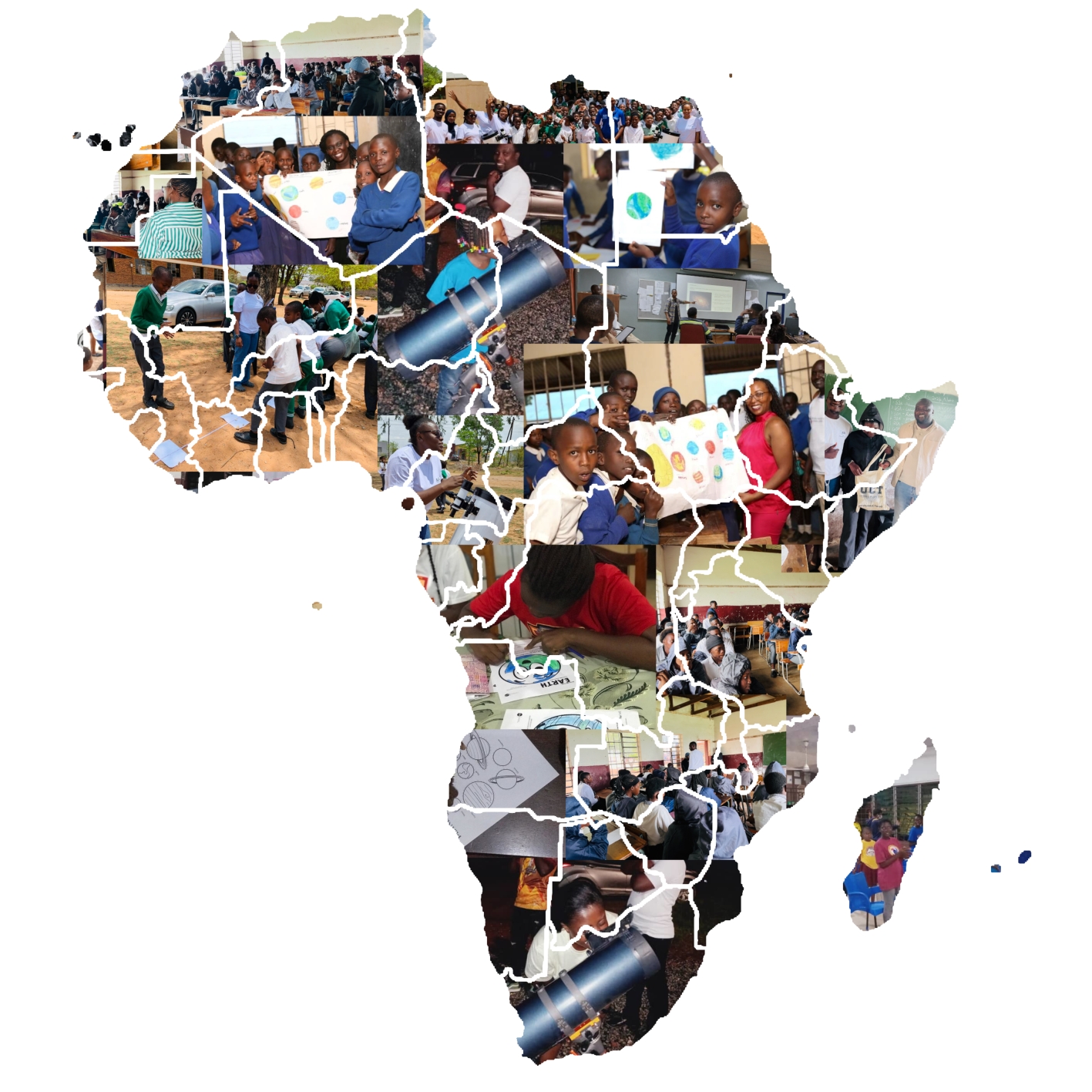
Cascade Outreach Framework
A people-centred outreach framework designed to promote diversity, inclusivity and relatable role-modelling while training new scientists in communication and leadership.
The Cascade Outreach Framework increases the pool and diversity of role models by helping young scientists communicate with younger peers. This approach lightens the load on senior scientists while giving emerging researchers valuable outreach experience.
Challenges
Representation
Scientific leadership in South Africa does not yet reflect the population, making it harder for young people to identify with scientists.
Science as a viable career
Limited knowledge of scientific career opportunities can make it difficult for families to support young people’s interest in science.
Minority-induced imposter syndrome
Under-represented groups are more likely to feel that they do not belong and that their achievements are due to luck.
Language
Science is often taught through English or Afrikaans, while many South African learners speak other home languages.
Sustainability
Single interventions have lower impact than sustained and continuous interaction.
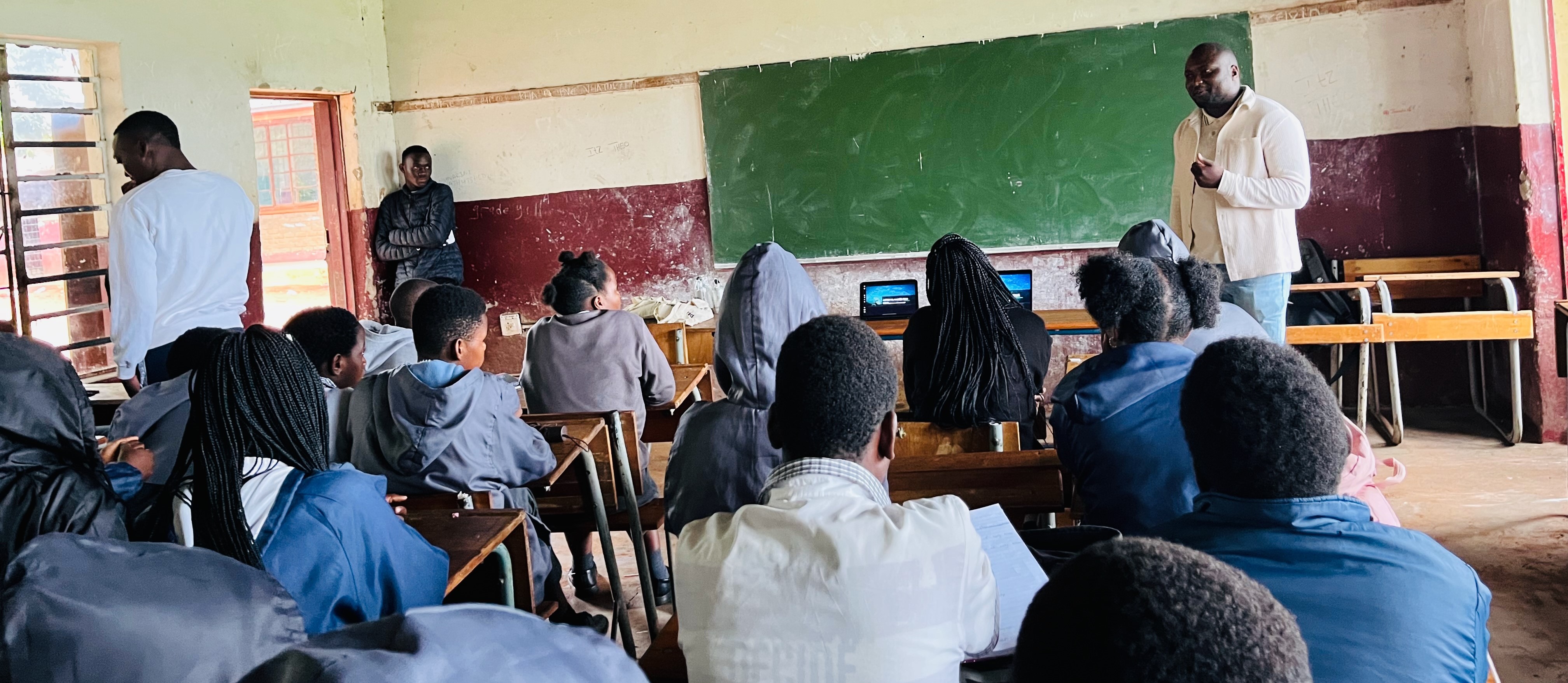
South Africa: A double opportunity
Top-down Opportunity
South Africa’s investment in astronomy creates a competitive field of science and a valuable return in human capital.
Bottom-up Opportunity
Many graduate students are first-generation students eager to give back and become relatable role models for younger peers.
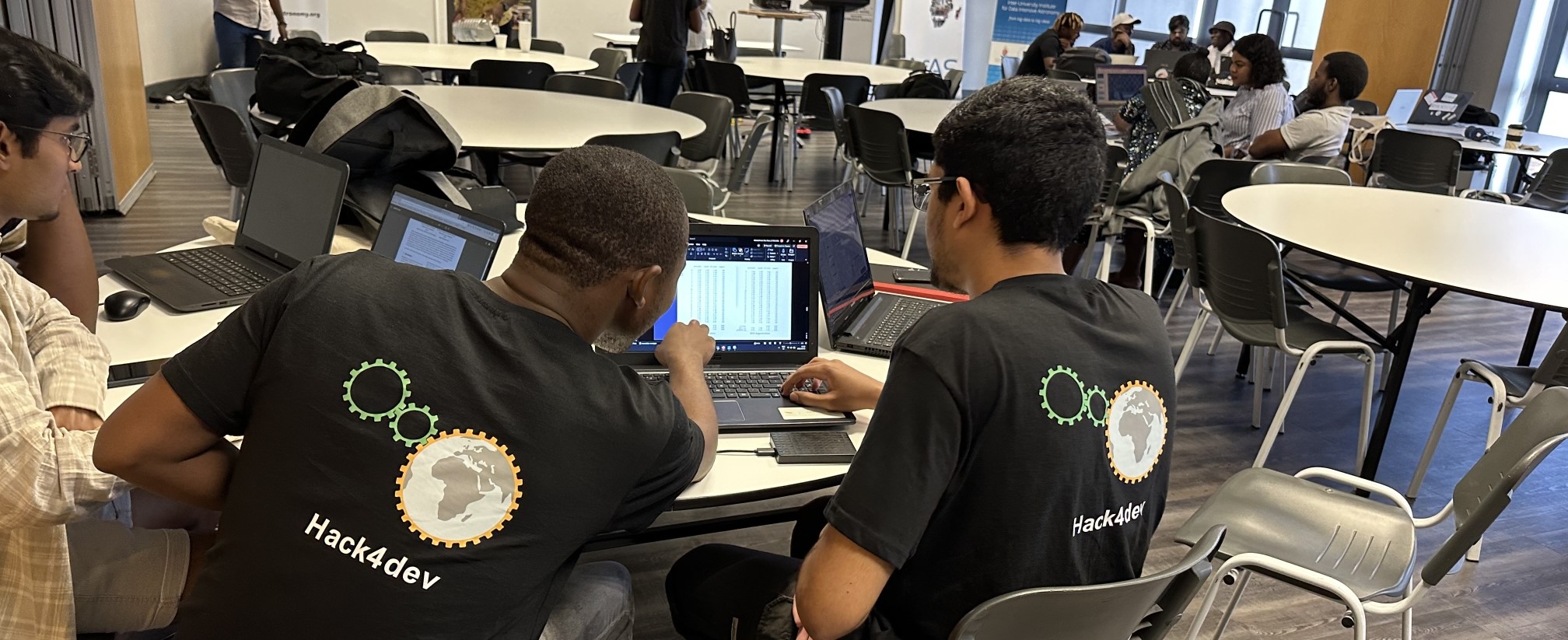
Benefits
Communications skills
Young researchers develop skills that serve them throughout their careers.
Teaching experience
Emerging scientists gain experience communicating knowledge to different audiences.
Scientific language development
Role models help contextualise scientific terms in learners’ own languages and experiences.
Awareness of opportunities
Seeing relatable scientists helps young people imagine scientific futures.
Transformation
Role models emerge as natural leaders whose impact goes beyond their own work.
Diversity
The cascade model presents young people with a representative group of successful scientists and professionals.
Implementations
The framework can be implemented by taking younger researchers to events, sharing speaking opportunities, featuring students in media, supporting school mentorship, creating informal networking spaces, backing science summer schools and involving undergraduates in feeder school programmes.