
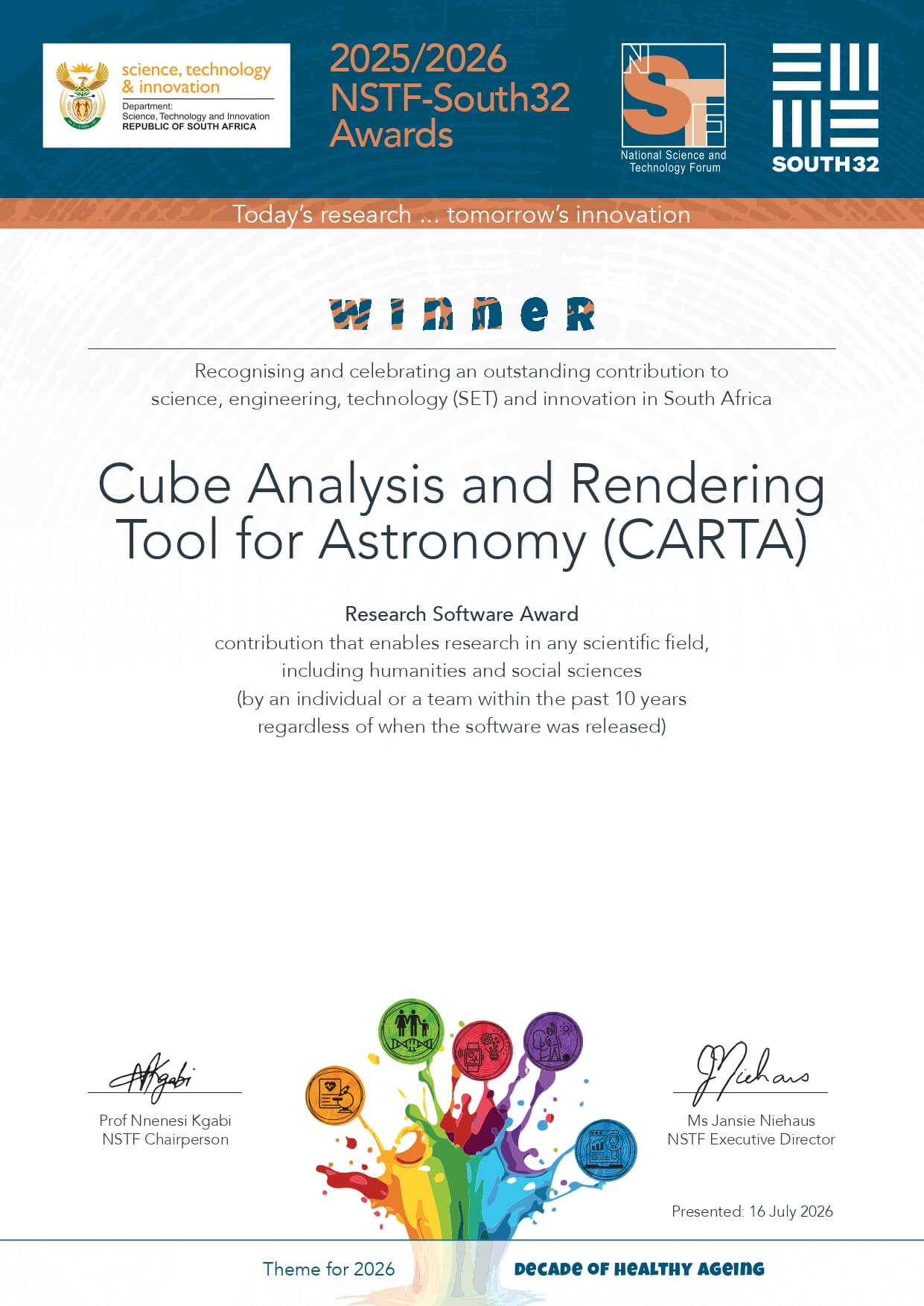
The Inter-University Institute for Data Intensive Astronomy (IDIA) is proud to announce that the Cube Analysis and Rendering Tool for Astronomy (CARTA) has won the inaugural Research Software Award at the prestigious 2025/2026 NSTF-South32 Awards.
Often referred to as the “Science Oscars of South Africa”, the NSTF-South32 Awards recognise and celebrate outstanding contributions to science, engineering, technology and innovation, making them the country’s most comprehensive and sought-after national science awards programme. The inaugural Research Software Award recognises individuals and teams whose software has made exceptional contributions to enabling research and innovation. CARTA’s selection highlights the growing importance of research software as a cornerstone of modern scientific discovery.
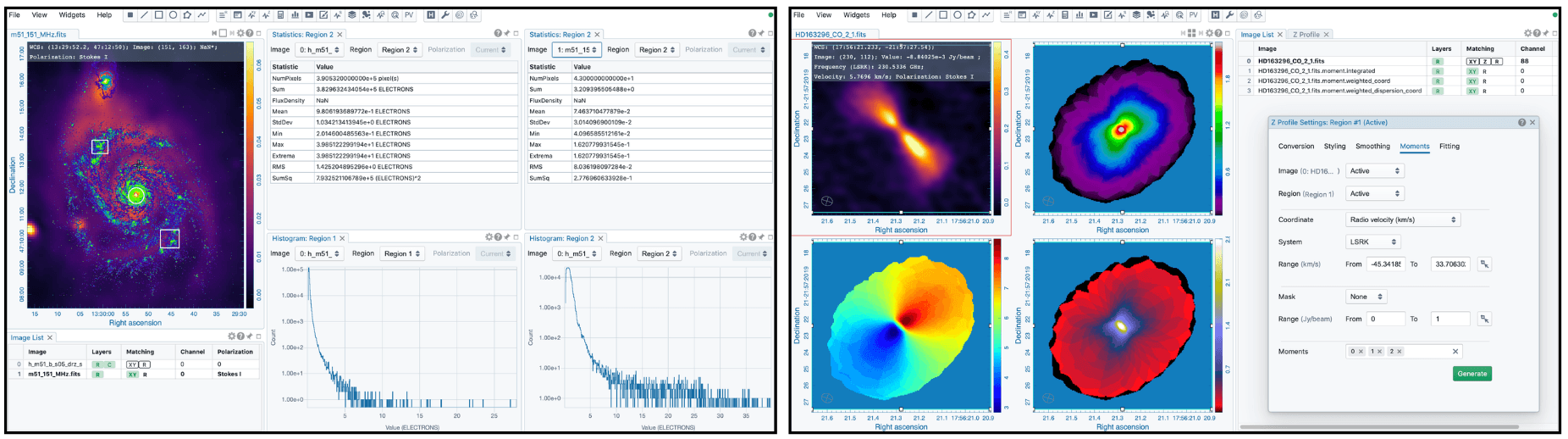
Since the release of Version 1.0 in 2018, CARTA has evolved into one of the world’s leading visual analytics platforms for radio astronomy. Its success is underpinned by an international collaboration spanning multiple countries and bringing together expertise from its partner institutions: the Academia Sinica Institute of Astronomy and Astrophysics (ASIAA), the Inter-University Institute for Data Intensive Astronomy (IDIA), the National Radio Astronomy Observatory (NRAO), the University of Alberta Department of Physics, and the Australian SKA Regional Centre (AusSRC).
Designed to support observations from facilities including NRF-SARAO’s MeerKAT radio telescope, ALMA, the Very Large Array (VLA), and the ASKAP radio telescope, as well as future telescopes of the SKA Observatory (SKAO) and the next generation Very Large Array (ngVLA), CARTA enables astronomers to interact with massive datasets through a web browser while leveraging powerful remote computing resources.
Today, CARTA is used by thousands of researchers across the globe and has become an indispensable tool for the international radio astronomy community, contributing to scientific discoveries at major facilities worldwide. As of February 2026, CARTA had been directly acknowledged in more than 159 peer-reviewed publications that have collectively received over 2500 citations. The latest stable release, CARTA v6.0, continues to expand the platform’s capabilities to meet the demands of next-generation astronomy.
Its impact has also been recognised by leaders in the field. Dr Shari Breen, Head of Science Operations at the SKA Observatory, described CARTA as “game-changing” for astronomers working with SKA precursor data, while Professor D.J. Pisano of the University of Cape Town noted that it is “the only software I now use to visualise and do the initial analysis of my data.”
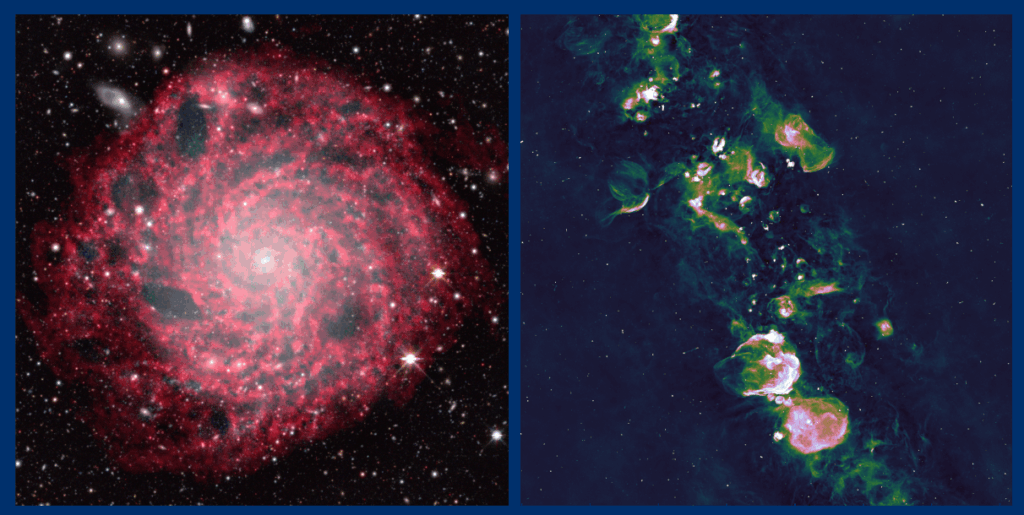
Beyond its scientific impact, CARTA has fostered a vibrant international user community. Now in its second year, the CARTA Image Competition celebrates the creativity and scientific insight of its users, showcasing striking astronomical visualisations created using the platform. The competition highlights both the richness of modern astronomical data and the versatility of CARTA as a tool for exploration, discovery, and public engagement.
The 2025/2026 CARTA Image Competition recognised outstanding submissions from Kyra Kummer of the University of Cape Town (UCT) and Tim Galvin of CSIRO, Australia’s national science agency, whose winning images demonstrated both the scientific value and visual impact achievable with CARTA.
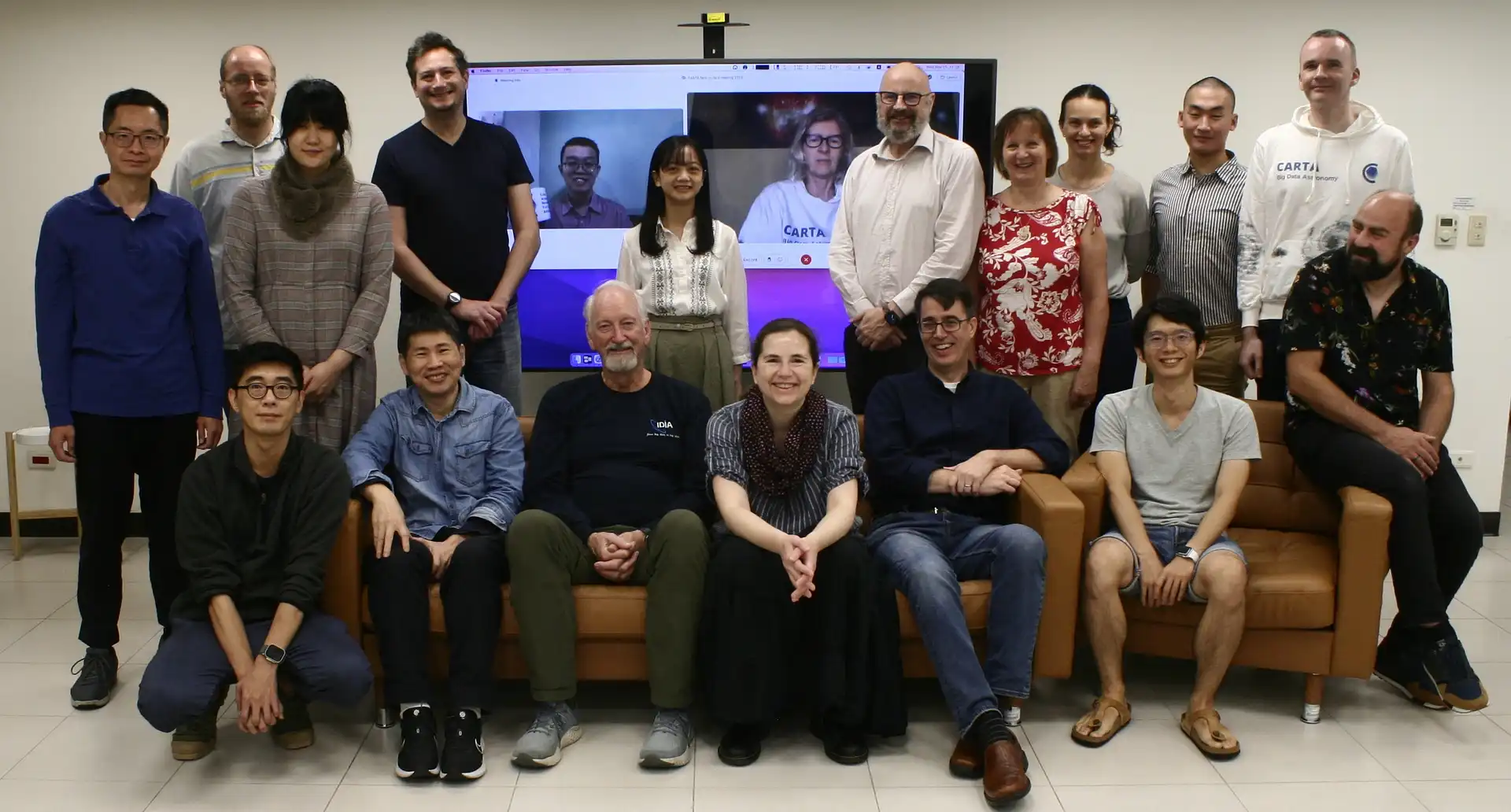
CARTA’s continued success reflects the dedication of the many scientists, software developers, and engineers who have contributed to its evolution over the past eight years. Few individuals embodied its spirit of innovation more fully than Professor Rob Simmonds, Technical Lead for CARTA, Associate Director: New Technology Developments at IDIA, and Professor in the Department of Computer Science at the University of Cape Town. Following his passing on 4 July 2026, this recognition carries special significance for the international CARTA collaboration and the many colleagues and friends who worked alongside him.

Professor Simmonds played a pivotal role in shaping CARTA’s architecture and future direction. Through his technical leadership and vision, CARTA grew from an ambitious software project into a globally recognised platform, leaving a lasting impact on the international astronomy community.
“CARTA is the most used visual analytics application in use by radio astronomers worldwide. Its current architecture was designed at IDIA, with components added by an international team. A new architecture was designed by IDIA in 2025 and is currently being implemented. This greatly extends CARTA’s capabilities as will be needed for the next generation of radio telescopes, such as the SKA Observatory.”
– Professor Rob Simmonds
The CARTA team’s recognition at the NSTF-South32 Awards serves not only as a celebration of an exceptional international collaboration, but also as a fitting tribute to Professor Simmonds’ vision, technical leadership, and enduring contribution to astronomy and scientific software.
As astronomy enters the data-intensive era of the SKA Observatory, CARTA continues to evolve to meet the needs of the next generation of scientific discovery. This NSTF-South32 Award recognises not only the platform’s technical achievements, but also the vision, collaboration, and dedication of the international team that continues to shape its future.


About CARTA Partners and Affiliated Organisations
Academia Sinica Institute of Astronomy and Astrophysics (ASIAA)
ASIAA CASA Development Center (ACDC) acknowledges the grant from the National Science and Technology Council of Taiwan for the Taiwan-US Astronomical Facility Collaboration.
Website: https://www.asiaa.sinica.edu.tw/
The Inter-University Institute for Data Intensive Astronomy (IDIA)
IDIA is a partnership between the University of Cape Town, the University of the Western Cape and the University of Pretoria. Its mission is to build capacity and expertise in data-intensive research within the South African university research community, enabling leadership in MeerKAT, SKA pathfinder and future SKA science.
Website: https://idia.ac.za/
National Radio Astronomy Observatory (NRAO)
The NRAO is a facility of the National Science Foundation operated under cooperative agreement by Associated Universities, Inc
Website: https://public.nrao.edu/
Department of Physics, University of Alberta
The Department of Physics at the University of Alberta has contributed to the CARTA project thanks to support from the National Radio Astronomy Observatory under an ALMA Development Project and from the Canada Foundation for Innovation as part of the Canadian Initiative for Radio Astronomy Data Analysis (CIRADA).
Website: https://www.ualberta.ca/en/physics/index.html
Australian SKA Regional Centre
The Australian SKA Regional Centre (AusSRC) is a collaborative joint venture between CSIRO – Australia’s national science agency, Curtin University, the Pawsey Supercomputing Research Centre, and The University of Western Australia. AusSRC is funded by the Australian Government. As Australia’s national gateway to the international SKA Regional Centre Network (SRCNet), AusSRC plays a central role in preparing Australia for the transformational science that will be delivered by the SKA Observatory (SKAO).
Website: https://aussrc.org
The SKA Observatory (SKAO)
The SKAO is a global collaboration of member states whose mission is to build and operate cutting-edge radio telescopes to transform our understanding of the Universe, and deliver benefits to society through global collaboration and innovation. Headquartered in the UK, its two telescope arrays are being constructed in Australia and South Africa and will be the two most advanced radio telescope networks on Earth.
Website: https://www.skao.int/en
MeerKAT and NRF-SARAO
The MeerKAT telescope is operated by the South African Radio Astronomy Observatory (SARAO), a facility of the National Research Foundation (NRF), which is an agency under the Department of Science, Technology and Innovation (DSTI).
Website: https://www.sarao.ac.za/science/meerkat/
Contact Details
For any queries, please contact communications@idia.ac.za