
The Inter-University Institute for Data Intensive Astronomy (IDIA) celebrates a major milestone in developing the platforms, partnerships and skills that position South Africa to play a leading role in the SKA Observatory era.
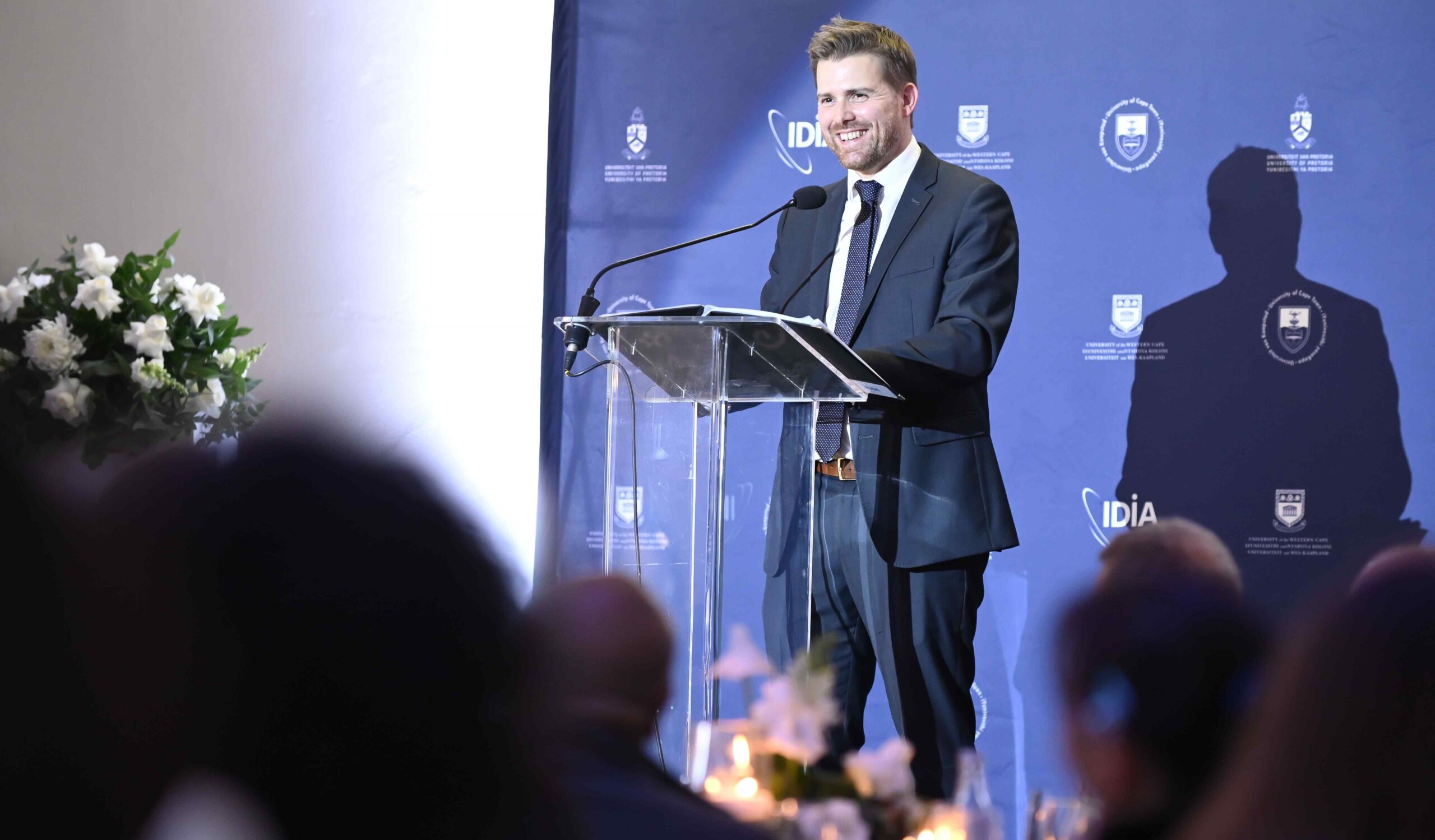
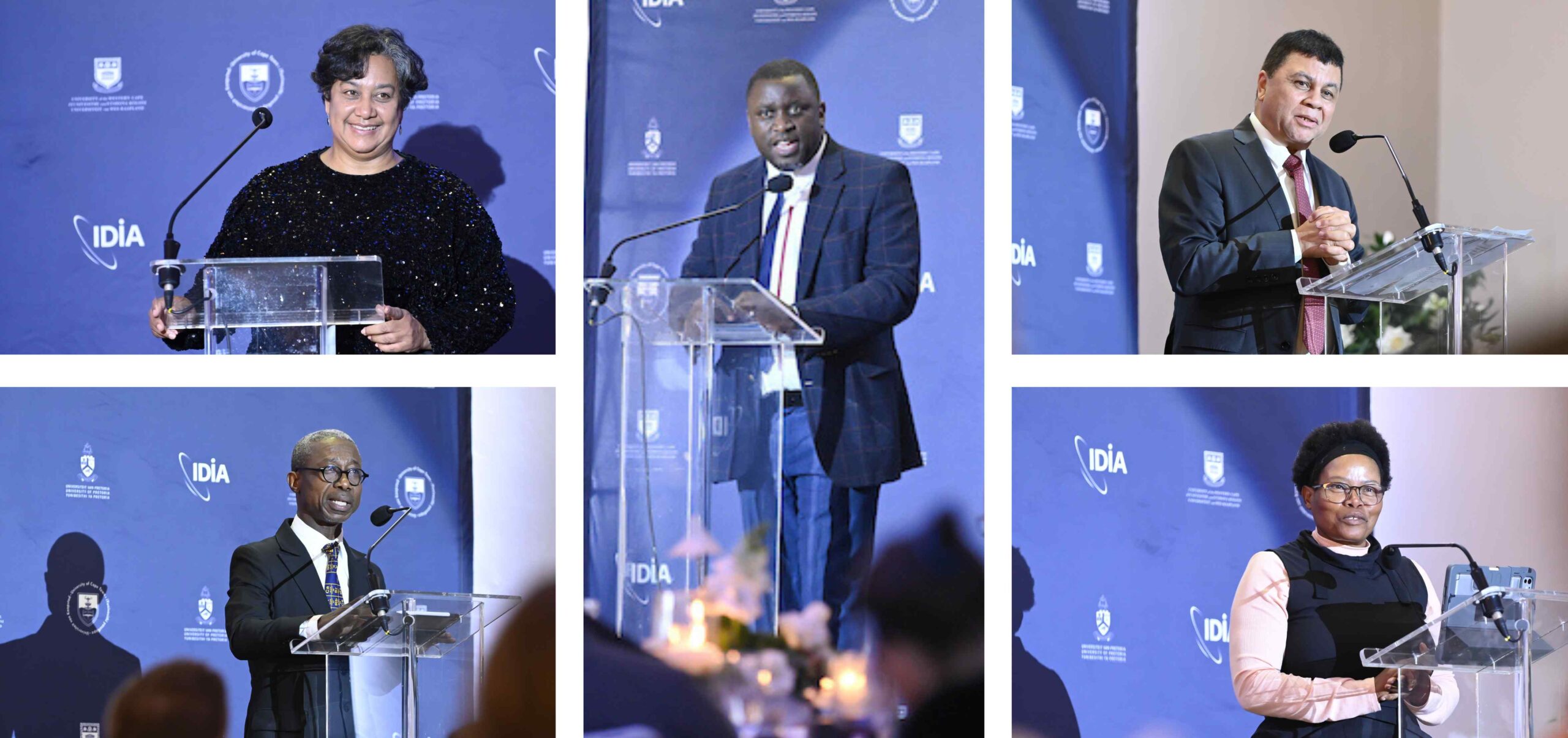
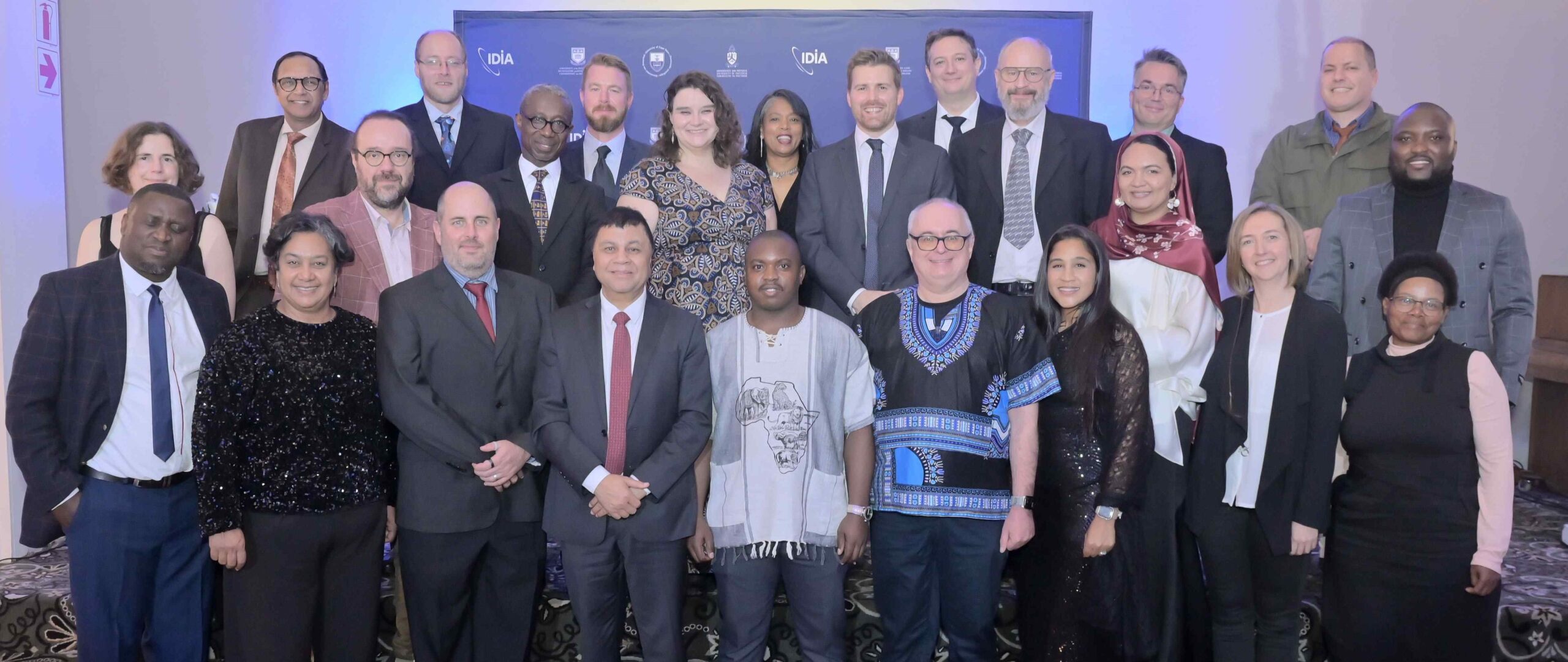
Cape Town — The Inter-University Institute for Data Intensive Astronomy marked its tenth anniversary in Cape Town on Friday, 29 May 2026, bringing together leadership representatives from several universities, national facilities, as well as the Department of Science, Technology, and Innovation. The event also celebrated the signing of IDIA’s third funding cycle (2026-2030), continuing the partnership between the University of Cape Town, the University of Pretoria, and the University of the Western Cape.
Founded in September 2015, IDIA was created in response to a problem that was already becoming central to modern astronomy: the most powerful telescopes would not be limited by what they could see, but by whether researchers could process, visualise and interpret the immense volumes of data they produced. The under-construction SKA Observatory (SKAO) will most exemplify this challenge when it is fully operational in the 2030s.
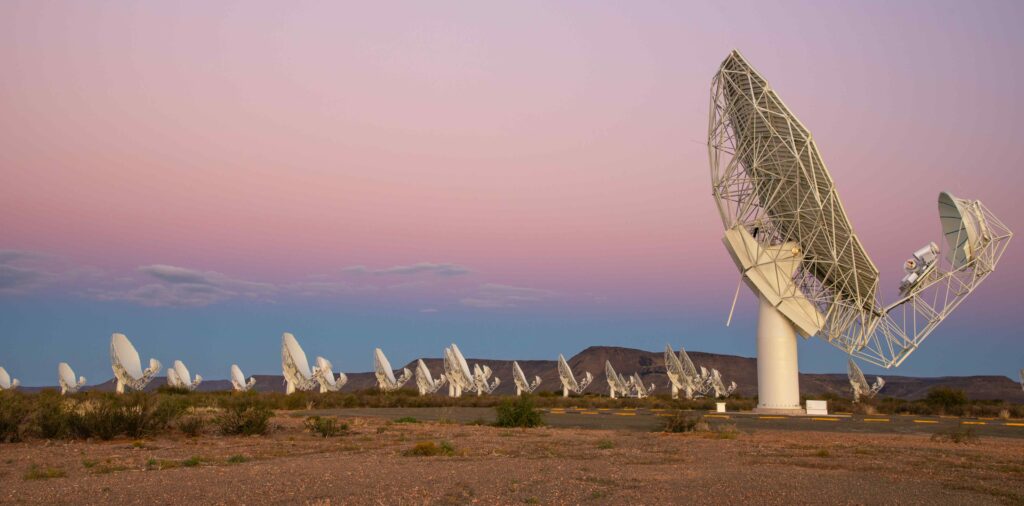
MeerKAT, South Africa’s world-leading radio telescope built and operated by the South African Radio Astronomy Observatory (SARAO), made that challenge immediate, following its inauguration in 2018. It also made it strategic. South Africa’s ability to lead scientifically in the SKAO era depends critically on its MeerKAT-enabled experience in building research workflows that turn data into discovery.
IDIA’s model has therefore never been simply about computing. It is an integrated research infrastructure that fosters a rich ecosystem of sustainable innovation. This includes the ilifu cloud, specialist software, data visualisation and analysis tools, tailored technical support and training, as well as scientific expertise threaded throughout. This was built through a pioneering partnership between the University of Cape Town, the University of Pretoria, the University of the Western Cape, and, initially, North-West University, in close collaboration with SARAO.
“IDIA represents precisely the kind of environment in which scientific and technological excellence reinforce one another,” said Professor Mosa Moshabela, Vice-Chancellor of the University of Cape Town.“The scientific ambition of MeerKAT and the SKAO demands new technical capability; in turn, those technical advances open new questions for science. That cycle – between advancing discovery, technology, and human expertise – is where universities can make a distinctive, long-lasting contribution.”
IDIA’s importance lies not only in its scientific output but also in the broader societal impact through critical technological and data science skills development, particularly as AI transforms the world we live in. These are key themes in the University of the Western Cape’s view of IDIA’s impact.
“The value of IDIA is measured not only in publications or platforms, but in people,” said Professor Robert Balfour, Rector and Vice-Chancellor of the University of the Western Cape. “Its work in human capacity development, training and public engagement helps broaden participation in areas of science and technology that will shape the future. That broader societal impact is one of the key motivations for why governments and universities have invested in major research infrastructures. At UWC, investment in the collaborations exemplified by IDIA on this its special 10th anniversary, as also the infrastructure underpinning these, is critical to the University’s mission to become a leading research institution with demonstrable impact on uplifting society”.
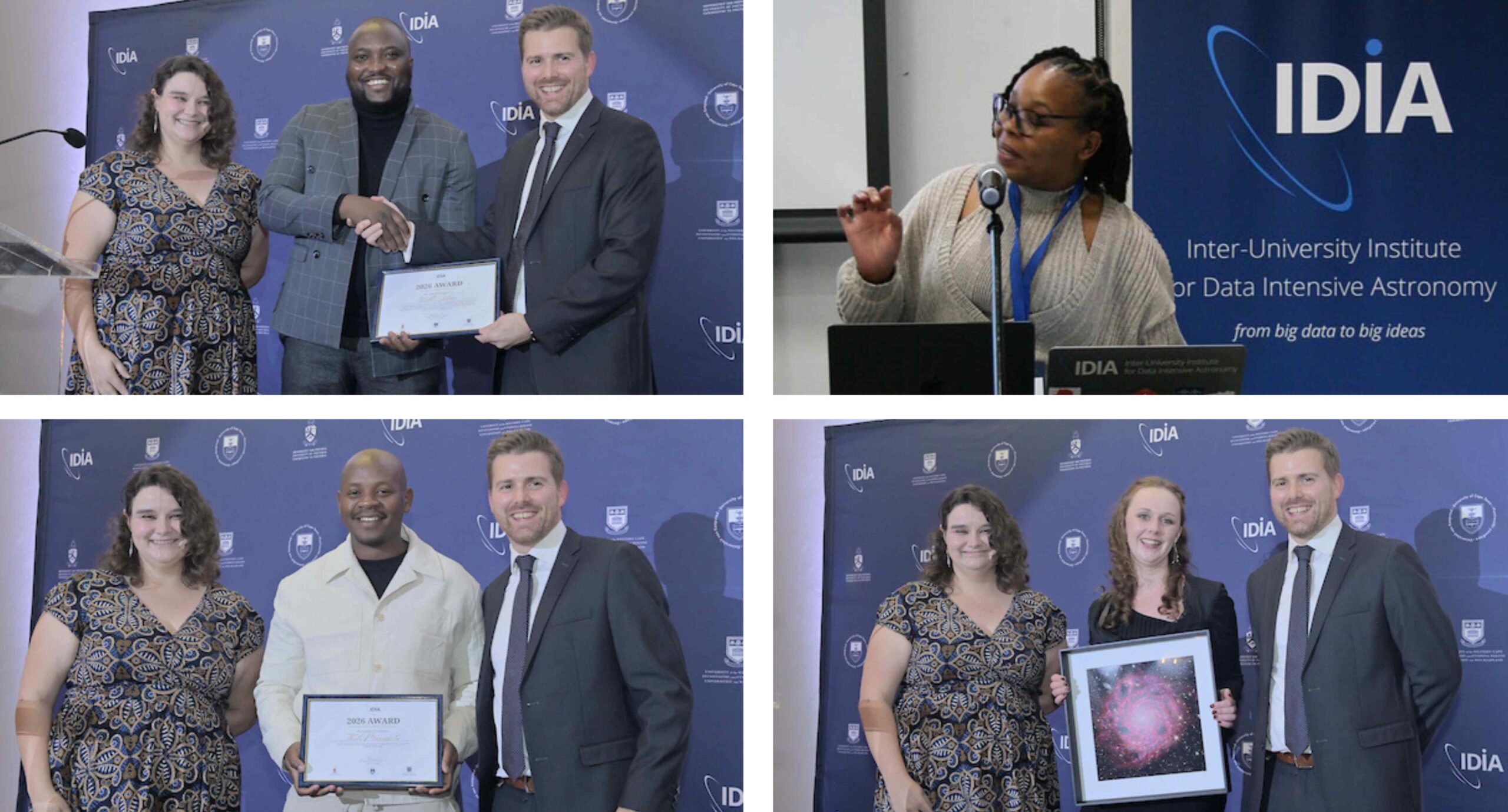
Over the past decade, IDIA and the ilifu Research Cloud have supported a substantial fraction of South African-led MeerKAT science. More than 640 astronomy users from over 140 national and international institutions have been registered on ilifu, with more than half of those users affiliated with South African institutions. IDIA technology and support have directly contributed to at least a quarter of all MeerKAT publications globally, and much more if one considers the indirect impact. The majority of that research was led by students and postdoctoral fellows, highlighting IDIA’s role in enabling and supporting the next generation of researchers.
That work spans everything from observations of our own Sun to distant black holes, and cosmological surveys providing unique views of the evolution of the universe. It also extends beyond astronomy, with ilifu supporting data-intensive research communities in fields such as AI and bioinformatics.
“The significance of IDIA is that it shows how African universities can work together to produce research infrastructure with international reach,” said Professor Francis Petersen, Vice-Chancellor and Principal of the University of Pretoria. “In major scientific projects such as the SKA Observatory, Africa’s role should not be limited to hosting infrastructure. We must build the research capability, technical expertise and collaborative networks that allow the continent to shape the science emerging from that infrastructure.”
IDIA’s human-capacity work has been central to that ambition. The institute has supported more than 500 graduate students across data-intensive astronomy, bioinformatics, and related research areas, while also contributing to training schools, workshops, hackathons and public-engagement programmes across South Africa and the broader African continent.
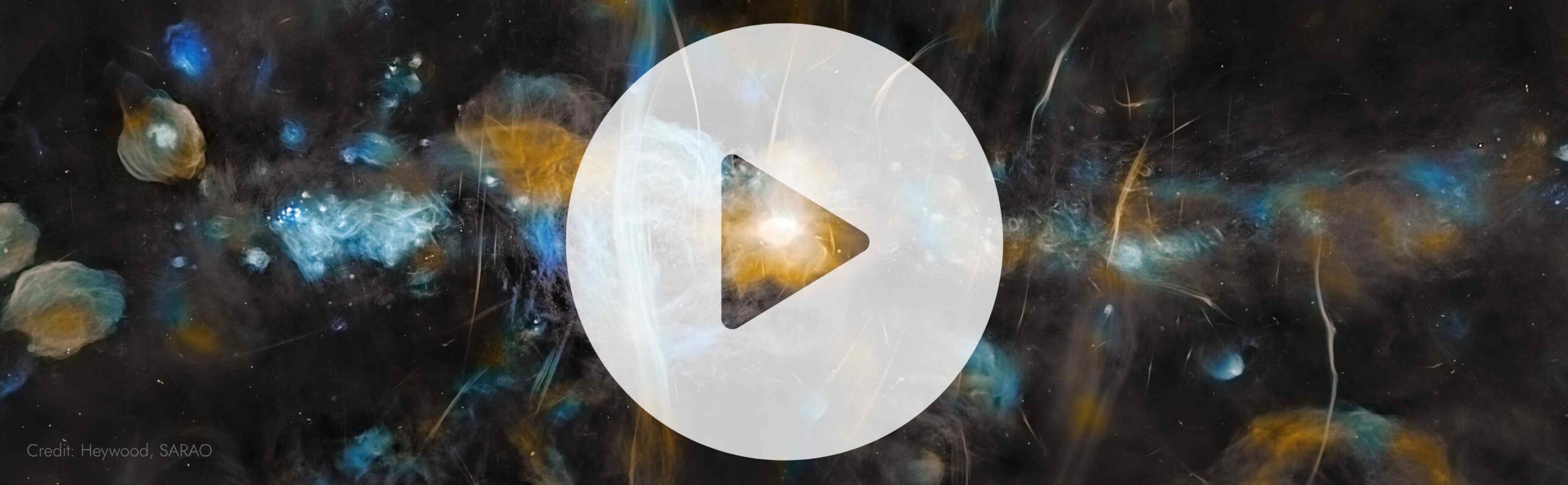
Its technology programme has produced tools with international reach. IDIA’s work on the ilifu Research Cloud has helped establish cloud-based scientific workflows for astronomy and bioinformatics, while its visualisation activities – including leading contributions to CARTA and iDaVIE – have supported astronomers working with large, multidimensional datasets from MeerKAT, ALMA and other major facilities. CARTA is now the most widely used visualisation software in radio astronomy and has been designed to scale seamlessly for the SKAO era, two of the reasons it has been named as a finalist in this year’s NSTF-South32 new Research Software category.
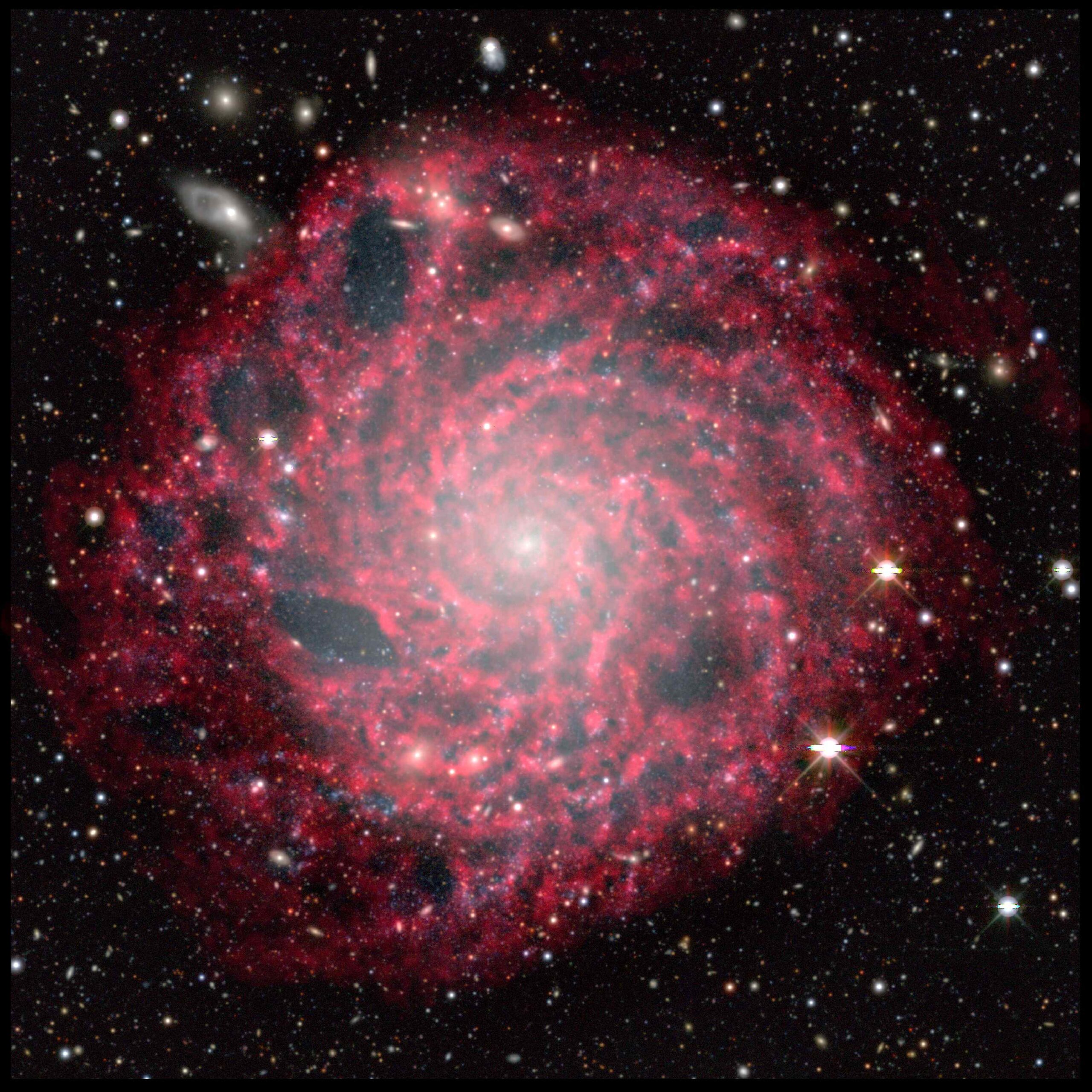
This broader technological and societal impact was recognised nationally in 2024, when IDIA received the NSTF-South32 Special Annual Theme Award for the Fourth Industrial Revolution in South Africa. The award recognised IDIA’s role in advancing data-intensive radio astronomy research while helping build the technical infrastructure, skills base and innovation ecosystem required for science in the SKAO era.
“IDIA was founded to solve big-data astronomy problems, but its impact has extended well beyond that,” said Professor Roger Deane, Director of IDIA. “The first decade has shown that the critical capability is not high-performance computing alone, but the research ecosystem around it: the workflows, software, technical expertise, visualisation tools, training and partnerships that enable world-leading science with MeerKAT today and prepare our community for the SKA Observatory era.”
The anniversary celebrations acknowledged the fundamental role played by IDIA Founding Director Prof Russ Taylor and Interim Director Prof Patrick Woudt, extending gratitude for their vision and dedication. The event also honoured the memory of former staff members Prof Carolina Ödman-Govender and Prof Tom Jarrett, whose outstanding contributions were instrumental in shaping IDIA and the UCT/IDIA Visualisation Laboratory (VisLab) into what they are today. Attention at the event also turned to the future. The next decade will be shaped by the major extension of SARAO’s MeerKAT telescope, the development of the global SKA Regional Centre Network (SRCNet), and the growing role of artificial intelligence and machine learning in scientific discovery.
“As the SKAO era approaches, the challenge is to scale what has worked to support a rapidly growing community,” said Deane. “South Africa has already shown that it can build the data-intensive capability required for frontier astronomy. The next decade is about broadening that capability, deepening national and African participation, and continuing to deliver scientific, technological, and societal impact.”
Contact Details
IDIA Communications
Email: communications@idia.ac.za
IDIA Administrative Office
Email: info@idia.ac.za